Showing posts with label Seminar. Show all posts

23 November 2010

Culture within the development policy


Thanks to Mahla, with whom we stayed, we got an invitation to SIDA (Swedish International Development Cooperation Agency) for a seminar concerning the above subject.
As being a medical student she sometimes get invitations to different arrangements like this and this time she was prevented participating.
Invited to this seminar were representatives from the government - two different governmental depatments - SIDA and other organizations and institutions.
As so often the political representatives were as exciting as a piece of paper with statistic staples but luckily enough there were members from other interest groups as SELAM - an organisation inviting artists from all over the world, both within the musical sphere but also theater and other disciplines - who were more enthusiastic and enthused over the subject.
Another structure was Kulturrådet or The Swedish Art Council.

From the political point of view - as Aurore established - the discussion focused more on quantitative aspects than qualitative ones, meaning that culture in the broadest sense of the word, serve as a mean for another goal - aid policy or investments in infrastructure in a country - where the cultural element serve as a door opener.
The representatives for SELAM or The Swedish Art Council, talked more about culture as a goal in itself, as the mastic for understanding between different countries and cultural contexts.

We came there at 9 am and left at 12 am.

17 April 2010

L'Academie du Berry à Déols

A couple of weeks ago we received an invitation to a conference with L'Academie du Berry, in French called: Seance Solennelle de Déols.
The invitation came from the chairman (le Président) of this academy, Alain Bilot, an old friend to my mother- and father-in-law and subsequently a friend of ours.

The academy aim at promoting and enriching the cultural heritage and life in Berry, the very landscape in which we - among other cities - find La Châtre.
The name Berry is ancient and today this region is divided between the two départements (administrative division) Indre and Cher.

This day started at 10.30 a.m. and ended at 5.30 p.m.

It all started with an interesting lecture about Déols, the monastery/abbey - Abbaye Notre-Dame-du-Bourg-Dieu - and its history, presented to us by monsieur Michel Delaume a member of L'Academie and historian.

This monastery has a long history dating back to the 10th century (built between the 10th and 14th century) and also being very important in the history of the Christian Church in France.
In this abbey resided one or more popes in the early history of this church building, at the time immensely big, covering many achers.

This day also included the reception of a new member to the Academy, namely Jean-Yves Clément, writer, editor and artistic director for Festival des Fêtes romantiques de Nohant and a passionate lover of Frédéric Chopin and the Romantic Movement on the whole.
He brought two books he had written about different aspects in the life of Chopin:
Les deux âmes de Frédéric Chopin and Nuits de l'âme 21 poèmes d'après les 21 nocturnes de Frédéric Chopin.

The title of his lecture was: "Franz, Frédéric et mot, de Bourges à Châteauroux... Itinéraire d'un Berrichon romantique".

He told us that Chopin in some way had followed him through the years even if he doesn't listen to his music each and everyday.

One of the first composers I started playing when studying the piano, was Chopin and the first piece of music by Chopin was one of his nocturnes, but which one? I don't remember.

A very nice day and outside the sun was shining, warming us outside and in and after the soul and spirit had been nurtured our abdomens was likewise nurtured, with a lovely dinner nearby.

Below some pictures from the event:
(Above)
The chair of the chairman, monsieur Bilot
(Above) The famous(?) sword with which 
the Academy (should) 'knight' their new members.

(Above) 
Monsieur Bilot waving his hands, using his body to talk and explain 
and beside him the newly 'knighted' Jean-Yves Clément, among others.
At the table - second from the left - we find monsieur Jacques Viard, restorer/conservationist, working with church-/mural paintings, not only in Berry but all over France.

He was awarded Prix de l'Académie du Berry 2009/2010, for his excellent work in different churches, preserving the cultural heritage.

He is above all interested in churchpaintings from the 18th century.
We had the pleasure meeting him last summer when working in one of the local churches in Indre.

(Above) Two of many figures in the old abbey, 
some of them depicting then existing people - 
noone knows who they were - 
others (like these ones) more mythological figures.

(Above) This is one of the wooden ports, 
earlier at the surface but throughout the centuries 
now having been placed under ground level.
(Above) To the right, me, Gunnar, 
listening to the historian M. Didier Dubant.
(Above) The very same monsieur Dubant 
animating the history aorund the abbey, for me and others.
(Above) In this photo we are looking at 
the model of the original abbey.


28 November 2009

Aux frontières du génie chez George Sand

Today at the museum in La Châtre - partly dedicated to the author George Sand - we visited a lecture with the above title: 'At the borders of genius of George Sand' or in French:

"Une heure, une œuvre au Musée de La Châtre : "Aux frontières du Génie chez George Sand". Conférence sur une œuvre du musée George Sand et de la Vallée Noire, animée par le Docteur Baum et Franck Lloyd"

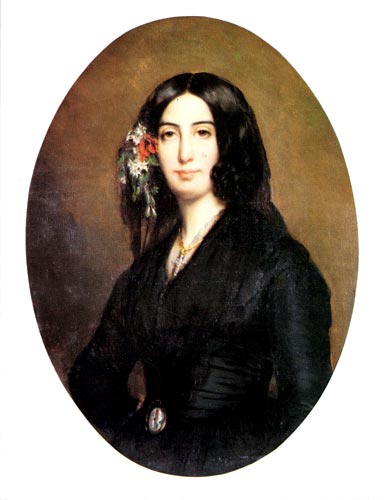
Psychiatrist, doctor Baum and teacher and director Frank Lloyd, talked about the bipolarity (bipolar disorder) George Sand had to struggle with.
I write "struggle" but her bipolarity was, according to these two gentlemen, in part also an explanation to her enormous creativity and explains how she managed to achieve so many things in her life. This mostly during her manic periods of course.

Besides writing almost 70 novels, she wrote novellettes, stage plays, fairy tales, literary critic, autobiographies and some 20 000 letters, that is to say 3-4 letters per day at an average.
The person to whom she wrote most frequently was Alfred de Musset.

She also helped other writers and musicians as being their foremost patron, friend and maecenas. Many of them should, perhaps, not even have survived without her help.
Among the men around her we found Frédéric Chopin, Eugène Delacroix, Victor Hugo, Alexandre Dumas, Honoré de Balzac and many others.
Of course she also had female friends, of whom we, unfortunately, know less.
She is said to have had at least 19 lovers, of both sexes.

Among both past time generations and contemporaries she was and is considered being a feminist although she didn't characterise herself as such.
Besides her extensive writing, socializing and her engagement in the welfare of other writers and musicians, she also engaged herself in politics, although not within a specific political organisation.

In the audience (the museum totally filled up with people) there were a great number of people knowing the works and life of George Sand very well and a quite vivid discussion came about.

As being a Swede, I would like to say that George Sand deserves becoming more well known as a writer in Sweden. Most Swedes know her as the muse of Frédéric Chopin and as a rather marginal writer. This picture need to be revised.


George Sand. Confidences de la Dame de Nohant
envoyé par efiestas. - Découvrez plus de vidéos créatives.


(Picture of George Sand copied from: http://thebsreport.files.wordpress.com/2009/06/georgesand.jpg)


03 October 2009

Saint Jacques de Compostelle

Besides being a rather central spot in Berry, La Châtre is also a town visited by pilgrims on their way to Sainte Jacques de Compostelle (Santiago de Compostella/Sainte James of Compostela).

In a former church (not used as such now and called a 'chapel'), we listened to a lecture concerning Sainte Jacques de Compostelle hosted by members of an organisation interested in and spreading knowledge around the history of pilgrimage and promoting pilgrimage as such.

The lecturers started talking about Sainte Jacques/Saint James and the origin of the scriptures in the Bible attributed to him:
Classical questions as: "Who was he"; "Was he the brother of John as is stated in the Bible?" etc.

According to legend he was the first of the apostles to die as a martyr during the reign of Agrippa I (or Herod Agrippa), in the year 44.
His body is said to have been transported to Spain in a miraculous way and he is also the Patron Saint of Spain.

The lecturers also talked about the different 'roads' a pilgrim can use when travelling through France. At least three main roads traverse France on the way to Santiago de Compostella.

Some pilgrims were present in the hall and they gave us their stories around and experiences of the pilgrimage. Some had done it using a bicycle but most of them had walked this road, halting in different towns in order to sleep and eat, e.g. La Châtre.

A couple of pilgrimes had done this trip several times and others once or twice.
My mother-in-law has hosted several pilgrims in her chambres d'hôtes - Les roses trémières - during these last three years and this year was no exception.


(Photo copyright: http://www.marypages.com/Santiago%20de%20CompostelaG.jpg)

28 October 2008

Jakten mot Nollpunkten

There are artists that cannot talk about their art.
And some who can, and who even WRITE.
Carl Johan De Geer is among those.
As his self biography was about to be released, he animated a monologue at Hedengrens.
Though we arrived rather early, the bookstore was overcrowded with whisky people between 70 years of age and death.
We had to sit on the last row and do our best to hear everything that was told (forgetting our senile neighbours who talked for themselves, and so on...).
The meeting with de Geer was entertaining and intellectually stimulating, something quite rare in this city.
Even though we sometimes have different opinions concerning people, Gunnar and I respect Carl Johan De Geer since he gives us this rare jewell of the human mind: reflection.

04 October 2008

Iskyss


We spent a very intense day in Oslo in order to see Iskyss, the latest film by Knut Erik Jensen.
I (Aurore) hadn't met him since 2002. He had invited us to see it, first at the screening in the northern parts of Norway but since this wasn't possible, he asked us to come to Oslo and so we did.

Too short and too rainy stay, but nice though...
After the film, we listened to a conversation between the director Knut Erik Jensen and the screenwriter Alf R. Jacobsen.

Two profiles within the cultural sector in Norway, both with a clear vision of what they believe in when it comes to film and writing.
They also indirectly discussed culture policies and did so with emphasis and pathos! Interesting.

Stortinget. The Norwegian Parliament.
(Rain on the lens of the camera. Of course(!),we're in Norway)

Nationaltheatret. The National Theatre.

This is the building where the Nobel Peace Prize cerermony is being held.

Det Kongelige Slottet. The Royal Castle.

24 October 2007

French ambience with a Russian touch today?

(Photo taken from: http://image.bokus.com/images2/9789172037878_large)

Svenska:

Förutom professor Marcel Bénabou från Sorbonne som idag talar över sin bok på Hedengrens bokhandel, skall författaren och docenten i litteraturvetenskap Jenny Westerström på Lidingö bibliotek presentera sin bok 'Klara var inte Paris. Bohemliv under två sekel'.
Fransk anknytning även där m.a.o.

Förutom detta är det en konsert - gratis - på Musikhögskolan i Stockholm ikväll klockan 19.00: 'En kväll med Tjajkovskij' där man bl.a. spelar hans stråkkvartett 'Souvenir de Florence'.


English:

Besides professor Marcel Bénabou from Sorbonne who is talking about his book at Hedengrens bookstore, the author and senior lecturer in Comparative litterature Jenny Westerström is going to talk about her book 'Klara was not Paris. Bohemian life during two centuries' (my translation).
French connection in this case to. (Klara was a district of Stockholm city, demolished when the 'new' city was built in the 1960's. In this part of the town one could find many bohemians, artists, writers well knowon in Sweden and in some cases abroad. Nils Ferlin to mention one).

At The Royal College of Music there is a concert tonight - free of charge - at 7 pm: 'A night with Tjajkovskij' and among other musical pieces they perform his string quartet 'Souvenir de Florence'.

23 October 2007

Marcel Bénabou - Sorbonne

(Denna video från en annan föreläsning med Bénabou/This video from another lecture)

Svenska:

Imorgon - onsdag 24/10 - kommer Marcel Bénabou till Hedengrens bokhandel.
Bénabou är professor i antikens historia vid Sorbonneuniversitetet och rubriken på hans föredrag är: "Varför jag inte har skrivit någon av mina böcker" (Pourquoi je n'ai écrit aucun de mes livres).
Detta verk skrev han redan 1986. Klockan 17.30 börjar detta föredrag.

English:

Tomorrow - Wednesday 24th of October - Professor Marcel Bénabou from Sorbonne University visits Hedengrens bookstore at 5.30 pm.
He is a professor in Classical Antiquity and the name of his lecture is: 'Why I haven't written any of my books' (my translation of the French: Pourquoi je n'ai écrit aucun de mes livres). This title is taken from a book he wrote in 1986.

22 October 2007

Glimz, Jokkmokk, Gore and Volt


Svenska:

Aurore gör sin första dag på Glimz.net.
Hon har valt halvtid till att börja med vilket i detta fall innebär att hon arbetar mellan 13-17. Hon kan då också arbeta extra hos sin förra arbetsgivare om hon så önskar.

(Photo taken from: http://www.ikea.com/se/sv/images/products/jokkmokk-bord-och--stolar-antikbets__41352_PE135783_S4.jpg)

Idag kom den nya bordsskivan till Jokkmokk köksbord som, då vi första gången fick leveransen, var repig. Denna var dock 'repfri' och Aurore monterade genast bordet.
Hon vill helst göra det själv eftersom här är rädd att jag skall förlora tålamodet då jag arbetar med montering av IKEA-möbler. Hon har förmodligen rätt.

Idag hålls ett seminarium på ABF-huset om de globala hoten och vilka dessa primärt kan sägas vara. 'Vilka är de globala hoten? Vad bör göras?' är titeln på seminariet.
Medverkar gör bl.a. Jan O. Karlsson tidigare biträdande utrikesminister med ansvar för bistånds- och migrationsfrågor i Göran Perssons ministär.

Man visar också den nyligen utsedde fredspristagaren Al Gores film 'En obekväm sanning'.
Fritt inträde.

Dramatens scen Elverket under rubriken 'Volt', sker ikväll också ett samtal mellan dess konstnärlige ledare Stefan Larsson och skådespelaren Michael Nyqvist.
Fri entré där också som alltid i samband med det som sker inom ramen för 'Volt'.

English:

Aurore is starting to work at Glimz.net today.
She has chosen part-time to begin with. This means that she works between one and five pm. Hereby she can also work extra with her former employer at the company where she is still employed - if she wiches.

Today we got the new table-board to our kitchen table Jokkmokk.
When we got the first delivery the board was scratched. This one was ok and Aurore put the table together. She wants to do it herself since she is afraid that I will lose my temper when working with furniture from IKEA. She is probably right.

Today there is a seminar held at the ABF-house where they discuss the global threats and what they primarily are. 'What are the global threats? What should be done?' is the name of the seminar.
Taking part in this debate is among others Jan O. Karlsson who has been a former minister for Development Cooperation, Migration and Asylum Policy and also Minister for Foreign Affairs following the murder of Anna Lindh.
This was during the cabinet council of örime minister Göran Persson.

They will also display the film An Inconvenient Truth by the Nobel Peace Prize laureate Al Gore. Free entrance.

At one of the Royal Dramatic Theatres smaller stages - Elverket - under the heading 'Volt' there will be a talk tonight between the artistic leader of Elverket, Stefan Larsson and the actor Michael Nyqvist. Free of charge as all arrangements in connection to this stage.

23 May 2007

Darfur


Svenska (English below):

Aurore är upptagen med annat idag så jag ger mig iväg till ABF-huset för att lyssna på ett föredrag av Palmepristagaren Mosaad Mohamed Ali i samtal med författaren och förre förläggaren Svante Weyler.

Mosaad är jurist och koordinator för 'The Amel centre for the Treatment and Rehabilitation of Victims of Torture in South Darfur', en organisation som förmedlar rättshjälp, medicinsk och psyko-social assistans till offer för tortyr och sexuellt våld samt till dem som riskerar grym, omänsklig och förnedrande behandling inklusive dödsstraff och amputationer.
Mosaad's engagemang har, enligt informationsbladet, gällt hundratusentals krigsdrabbade i de läger som omger Nyala sedan kriget eskalerade.
Denne man har under mer än tio år varit en frispråkig och modig kritiker av brott mot de mänskliga rättigheterna i Darfur och Sudan som helhet.

För detta arbete har han nu hedrats med den ovan nämnda utmärkelsen (bland kanske flera?).

Han inleder sitt föredrag med att säga att konflikten tog sin början redan i och med torkan i mitten av 80-talet då nomaderna flyttade till områden där bönder och människor med fasta boförhållanden levde sina liv.
Nomaderna organiserade sig i klaner mot byborna/bönderna och detta resulterade i successivt upptrappade konflikter dessa emellan.

Organisationen Mosaad har upprättat kontor i de stora flyktinglägren och via dessa erbjuder man rättshjälp till de drabbade människorna men vissa personer besöker även Nyala där man har sitt huvudkontor.

Organisationen är finansierad av bl.a UNDP.

Många inom organisationen har arresterats och även avrättats då denna typ av arbete inte välkomnas av någondera stridande part i konflikten.

Intressant att höra denne man tala och jag ställde honom en fråga om hur han som jurist och sudanes boende i detta konfliktfyllda land, reagerade på att F.N. i samband med diskussioner om en intervention först ansåg sig tvungna avgöra huruvida detta var att betrakta som ett folkmord eller ej.
Mosaad replikerade att han inte ansåg att frågan om huruvida det som pågick i Darfur var att beteckna som ett folkmord eller ej borde ha varit avgörande för Förenta Nationernas agerande.
I likhet med mig och många andra ansåg han detta var en pseudodiskussion som inte gagnade de lidande människorna i Sudan/Darfur.
Personligen reagerade jag och många med mig med upprördhet - för att uttrycka mig milt - över, vad jag vill kalla, F.N:s advokatyr.

Efter detta begav jag mig till Filmhuset och därefter mötte jag Aurore för att tillsammans med henne besöka Finlandsinstitutet för en utställning med den förra året avlidne formgivaren Timo Sarpanen; 'Sarpanen in memoriam' som utställningen hette.
I många stycken påminde vissa av hans glaskonstverk om Alvar Aalto och de hade båda verkat vid Iittala glasbruk men inte i övrigt haft så många kontakter om jag förstod det rätt.

Hem och middag på kvällen.

English:

Aurore is engaged in other issues today and I therefore head towards the so called 'ABF-huset' ('ABF-house'), the Labour Movements organization for studies and lectures among other things.
I go there in order to listen to a lecture by the Olof Palme prize winner Mosaad Mohamed Ali talking to journalist and former Swedish publisher Svante Weyler.

Mosaad is a lawyer and coordinator för 'The Amel Centre for the Treatment and Rehabilitation of Victims of Torture in South Darfur', an organization that mediate legal aid, medical and psycho-social assistance to victims of torture and sexual violence and also to those who risk cruel, inhuman and degrading treatment including death penalty and amputations.

Mossad's engagement has, according to the information given, concerned hundreds of thousands of people struck by war in the camps surronding Nyala since the war escalated.

This man has for more than ten years been a outspoken and courageous critic of crimes against human rights in Darfur and Sudan as a whole.

For this work he has now been awarded the Olof Palme-prize (among others?).

He open his lecture by saying that the conflict started already in connection with the drought in the mid 1980's when the nomads moved to areas where farmers and resident people lived.
The nomads organized themselves in clans against the villagers and farmers and this resulted in gradually intensified conflicts between this groups.

The organization he represents have established offices in the refugee camps where they offer legal assistance to the victims but some people also visit Nyala where the main office is situated.

The organization is financed by UNDP among others.

Many representatives of this organization have been arrested and even executed as this work is not welcomed by neither part in this conflict.

It was really interesting to hear Mosaad give his view on this serious issue.
I asked him a question regarding how he as a lawyer and Sudanese living in this land filled of serious conflicts reacted when the U.N. discussed wether this conflict where to be regarded as a genocide or not.
This in order to decide if the U.N. should intervene in the conflict.
Mosaad replied that he regarded the 'genocide-question' being something that should have been irrelevant for the U.N. decision concerning an intervention or not.
They should have acted more decisive regardless the answer to this question.
Like myself and many others he looked upon this as a pseudo discussion not benefiting the suffering people of Sudan/Darfur.

After this I went to The Swedish Film Institute and when finished there I met Aurore and together we visited the Finland Institute for an exhibition with the Finnish glass designer Timo Sarpanen who died last year; 'Timo Sarpanen in memoriam'.
To some extent he reminded in some of his works about Alvar Aalto and they both have worked at Iittala but not at the same time and with few contacts between them if I understood correctly.

Home and dinner!

25 April 2007

French Film Festival Connexxion

Svenska (English below):

Ännu en dag på Filmhuset fram till strax före 16.00 då jag - Gunnar - beger mig till biografen Sture för ett möte inför Franska Filmfestivalen som äger rum 4 maj t.o.m. 7 juni.

Har anmält mig att deltaga som volontär.
Skall bl.a. presentera ett antal filmer och ta hand om besökarna efter bästa förmåga samt ansvara för biljetter och de omröstningar som anordnas i samband med festivalen.
I dessa omröstningar är det publiken som skall avge sitt/sina omdöme(n) om de filmer de sett och de har chans att vinna priser i form av bl.a. resor till Frankrike.

Träffar en av de ansvariga, Jonas Berglund, som tillsammans med Joseph Redéen och Olivier Guerpillon samarbetar kring festivalen. Förstnämnda som volontäransvariga.

Förutom mig själv kom dessutom tre unga kvinnor som också de är anmälda som volontärer.
Av dessa var en fransyska, en svenska vilken talar franska samt en finlandssvensk kvinna som ej talar franska.
Vi gick igenom formalia samt antecknade oss för vilka dagar vi kunde deltaga och bifogade adressuppgifter, telefon etc.

Efter detta mötte jag Aurore på stan, där vi tog en kaffe samt fortsatte till Karlavägen 100 och Statens Ljud- och Bildarkiv - SLBA - dit vi går för att lyssna på en föreläsning där temat var: 'Skräckflmens ljudkatalog: en röd tråd genom mörkret'.

Man har vid SLBA under ett antal tisdagar genomfört föreläsningar som behandlat ämnet skräckfilm och olika temata kring detta, exempelvis censurklipp av sådant som aldrig visats, om (kläd)modet i skräckfilmer, specialeffekter och nu alltså musiken.

Som presentatör av detta sista ämne hade man inbjudit Peter Bryngelsson, kompositör och filmmusikvetare.
Han deklarerade först och främst att han inte var intresserad av zombiefilmer eller filmer där man bygger filmens spänning kring starka och ibland överdrivna effekter med en myckenhet inslag av blod och våld.

Några av de filmer kring vilka Bryngelsson byggde sin föreläsning var 'Frankensteins monster', 'Blow out' och 'Psycho'. (Trailers nedan).

Den röda tråd som redan i introduktionen till föreläsningen deklarerades tyckte jag mig dock inte finna.

'Vad vore skrämmande film utan den välplacerade musiken?' är underrubriken men musiken per se talade inte Bryngelsson särdeles mycket om.
Det handlade de facto mer om 'skriket' vilket i och för sig också kan tolkas som musik men det var kanske inte just skriket i film som en föreläsning om musiken borde handla om?
Utvikningar omkring Bryngelssons första upplevelser av skräckfilm gav inte heller mer substans åt föreläsningen.

Aurore och jag gick hem efter första delen av denna föreläsning varför jag inte kan recensera den senare delen som eventuellt uppvisade ett större mått av koherens rubriksättningen och innehållet emellan.

English:

After 4 p.m. I left the Film Institute and went to Cinema Sture and a meeting concerning the French Filmfestival taking place between 4th of May and 7th of June.

I have registered myself as volunteer at the filmfestival, a work concisting of presenting some of the French movies in French and helping the visitors/the audience answer with whatever questions they might have, being responsible for the tickets and the voting surrounding the films.
The voting is connected to the audience prize, where one shall nominate the best film. In doing so some of the people in the audience are able to gain prizes like a journey to France or other 'french' prizes.

I get to meet one of the responsible for the festival, namely Jonas Berglund who in cooperation with among others Joseph Redéen and Olivier Guerpillon will see to that everything is being organized in the best way. The first two are responsible for the volunteers.

Besides me there are three young women attending the meeting, one from France, one Swedish woman who speeks French and one Finnish woman who does not speak French.
We will however work two and two so there will always be one who speeks French and the other Swedish. English is apparently not needed but you know how the French are.

After this meeting I met Aurore. We took a cup of coffee and went on to The Swedish National Archive of Recorded Sound and Moving Images - SLBA - to listen to a lecture about 'The sound cataloque of horror movies: a main thread through the dark'.

During four consecutive Tuesdays, SLBA has carried out a series of lectures about horror movies and different themes around this.
In doing so one have e.g. discussed movies that partly have been censored and never shown before. One lecturer talked about fashion in horror movies, another about special effects.


Peter Bryngelsson - lecturing this evening - is a composer and film music historian.
He first declared that he did not fancy zombie films or films where the excitement or thrill is built up very much around extreme special effects and lots of blood.
Some of the movies he talked around were 'Frankenstein', 'Blow out' and 'Psycho' (of course).

I had some problems in finding the 'main thread' in this lecture.
The underline of this lecture was 'What would scary movies be without the well placed music?' but Bryngelsson did not explicitly talk about the music but more about the screams!
A scream could of course also be regarded as music but I don't think that this was something the audience expected.

Bryngelsson also talked about his own experiences of horror movies from the time when he was a child but this did not add anything substantial to his lecture.

Aurore and I went home after the first part. Maybe the second one was better.


16 March 2007

Den brysomme Filmen

Margreth Olin
Svenska (English below):

Efter en timme i Svenska Filminstitutets bibliotek beger vi oss - Aurore och jag - till biografen Mauritz några meter bort för ett seminarium om dokumentärfilm och fiktion.

Inbjudna till detta evenemang - som också ingår i Norsk Filmfest som f.n. pågår i Stockholm - är regissörerna Stefan Jarl, Margreth Olin samt Hanne Myren. Sistnämnda är aktuell på Norsk Filmfest med filmen 'Jenter' ('Tjejer') om ett antal tonårsflickor och deras liv.

Frågan man ställer sig på seminariet är när skall man välja dokuentärfilm och när fiktion?

Gunnar Bergdahl skulle egentligen ha varit moderator men fick förhinder varför Jan Erik Holst - ansvarig för distribution och marknadsföring av norsk film utomlands vid Norska Filminstitutet - tar sig an den rollen.

Utifrån Jarls långa erfarenhet av dokumentärfilmande samt Margreth Olins framgångsrika rfilmer i samma genre, samtalar man om om och när man skall använda den dokumentära genren samt huruvida man istället skall välja fiktionens form för en film om ämnet visar sig vara för känsligt för dokumentärfilmsformen.

Scener ur en av Olins filmer om en norsk kvinna med missbruksproblem varvas med diskussioner. I denna dokumentär som de facto aldrig blev av, ville Olin spegla livet för en kvinnlig missbrukare som också prostituerade sig.
Då situationen för denna kvinna med började vända i positiv riktning - då hon närmade sig avgiftningsfasen - önskade hon inte längre vara med.
Här ställdes Olin inför ett dilemma. Skall man ge upp ett projekt på vilket man lagt ned stora arbetsresurser och pengar, endast för att den person om vilken filmen handlar inte längre säger sig vilja deltaga?

I detta fall accepterade Olin kvinnans ställningstagande och lät inte fullfölja sin film.

Stefan Jarl däremot menar att man skall försöka fullfölja sin film oavsett de deltagandes synpunkter i stunden. Detta dock efter att ha förankrat beslutet hos de deltagande.
Här fick man intrycket av att det skedde efter en många gånger synnerligen effektiv form av övertalning från Stefan Jarls sida. I ett läge uttryckte Jarl detta t.o.m. så att man bör "köra över..." de inblandade parterna. Senare förtydligade han sig och tillade att man självfallet måste lyssna på dem som skall porträtteras samt under hand visa delar av materialet för dem så att de får bilda sig en uppfattning själva.

Generellt tycks Jarl mena att regissörens intentioner och tanke med en dokumentärfilm är så viktiga att man inte skall göra avkall på sina visioner.

Olin fick frågan om hon skulle göra om samma sak idag, nämligen att ej visa en film som den eller de deltagande inte givit sitt godkännande till. På denna fråga svarade hon jakande. Hon vill inte driva igenom ett konstverk till vilket pris som helst.

Utdrag ur Hanne Myrens film 'Jenter' visas också.
Även Myren ges möjlighet ge sin syn på dokumentärfilmandet och dess problem och möjligheter.
Hon kände att hon ville göra just denna flim för att visa en bild av unga tonårsflickor/-kvinnor som inte är den gängse, enligt henne själv.
De få utdrag ur filmen vi fick se ledde inte till att man kunde bilda sig en uppfattning i sin helhet om densamma men jag fick en känsla av déja vu och kopplingar till
'Fucking Åmål'.
Visserligen var det säkert en annan typ av problematik som togs upp i denna film än i 'Fucking Åmål' men på något sätt kändes tematiken ändå igen.

Aurore upplevde lite att Jarl ville göra gällande att det endast är bland de 'utslagna' (om man skall använda ett sådant uttryck) i samhället som man kan finna den 'sanna', 'rätta' bilden av samhället ifråga och detta kände Aurore var en alltför snäv och vinklad agenda.

Det kan nog ligga lite i att Jarl med sina vänstersympatier gärna vill skildra en sida av verkligheten som han anser vara mer 'genuin' än andra men å andra sidan var filmerna om Kenta och Stoffe i 'Modstrilogin' vid tidpunkten ett slag i solar plexus på politikerna. Inte minst gäller det socialdemokraterna som ville måla upp Sverige som ett idealt land med få problem och med stort mått av jämställdhet, likaberättigande och lika möjlighet till tillgång till samhällets förmåner. Denna bild slogs effektivt sönder av Jarl på sin tid.

Detta samtidigt som man också ser att de personer som skildras i filmen har ett stort personligt ansvar (som alltid är fallet) för orsakerna till att de befinner sig där de gör, alltså på det som vissa kallar 'samhällets botten'.
Åtminstone känner jag på detta sätt med min egen erfarenhet med arbete bland människor med missbruksproblem och hemlösa.

Avslutningsvis skildrades nog Kenta och Stoffes problem bättre av dem själva än vad som hade varit fallet i en spelfilm med skådespelare.
Om filmatiseringen av deras liv hjälpte dem på något sätt kan kanske ifrågasättas.
Var dessa filmer t.o.m. kontraproduktiva i ett rehabiliteringsperspektiv?

Stefan Jarl
English:

After one hour at the library of the Swedish Filminstitute Aurore and I went over to cinema Mauritz in the same house for a seminar on documentary film and fiction.

Invited to this seminar also being a part of the Norwegian Filmfestival - 'Norsk filmfest' - in Stockholm 16-23 of March, was the Swedish director Stefan Jarl and the Norwegian directors Margareth Olin and Hanne Myren.
Myren is also represented at the this years festival with the film 'Girls' ('Jenter') a film about some teenage girls and different aspects of their lives.
The primary question was: When should one choose documentary film and when fiction?

Jan Erik Holst, responsible for distribution and marketing of Norwegian film abroad at the Norwegian Filminstitute functioned as a moderator.

On the basis of Stefan Jarls extensive experience of documentary filming and Margareth Olin's, in Norway, very successful documentaries they discuss whether or not and when to use documentary and if it's better to use fiction if the subject is in any way too sensitive, seen in relation to the people involved in the film.
Hanne Myren
Scenes from one of Olin's documentaries about a woman with drug problems are displayed and one discuss this film and other films.
In her particular film - actually never completed and displayed - Olin wanted to reflect the life of a woman with drug addiction problems forced to prostitute herself in order to get her drugs.
When the situation for this woman changed to the better - that is when she approached the detoxication phase - she didn't want to participate and go through with the project.
Olin found herself in a dilemma. Would she give up this project that she had put a lot of work and money into just because the main character had changed her mind?
Olin accepted the standpoint of this woman and did not complete the film.

Stefan Jarl on the contrary means that one should always realize one's plans despite the views of the participants, at least when one has reached a certain point in the process.
This though after having gained approval for the project among the participants in the film.
In the case with Jarl one got the impression that this was being done after extensive and effective persuasion from his side.

At one point in the debate Jarl said that one should "run over" the characters in the film. He later on clarified himself by stressing that this should be done after listening to those involved and gradually showing them pieces of the film so that they could get an idea of the 'product'.

More generally Jarl seems to think that the intentions and ideas of a documentary film from the standpoint of the director is so important that one should not forgo the intentions with the film.

Olin got the question whether or not she would do the same thing today, namely abandoning an idea and not showing a film she has made if the main character did not wish to. She gave an affirmative answer to that question. She did not want to force her piece of work through at any price.

Excerpts from Hanne Myrens film 'Jenter' (see trailer above) were displayed and she was also given the opportunity to comment on the making of a documentary, its problems and possibilities.
She felt that she wanted to make a film about teenage girls and picture them in a way that is not prevalent, at least in Norway.
It's hard to get an idea of her film from these short excerpts but I felt as if it was a déja vu and I thought of 'Fucking Åmål' a lot.
It was certainly another form of problems depicted in Myrens film but somehow the group of themes where the same as in 'Fucking Åmål'.

Aurore experienced that Jarl wanted to claim that only among the 'beaten' people (if one can use this terminology without thinking of Burroughs, Kerouac and the others) in society one could find the 'true' picture of the society in which we live and this felt somewhat like a biased agenda according to Aurore.
This standpoint could of course be correct taking into consideration his left wing sympathies and that he because of this wants to show a side of reality he feels is more 'genuine'.
On the other hand the films about Kenta and Stoffe in the 'Mods-trilogy' was at the time a punch in the solar plexus on the politicians. Especially the Social Democrats who wanted people to believe that Sweden was an ideal country with few problems and a great amount of equality and equal opportunities for all citizens. This picture was smashed to pieces by the films by Jarl.

At the same time I got the impression that he also wanted to show that Kenta and his friends also had a great amount of responsability for having ended up at 'the bottom' of society (if this is an appropriate word).
This is my intuitive feeling, seen in relation to a rather extensive experience of working with people with drug problems and homeless people.

Finally I would like to say that the problems of Kenta and Stoffe were much better portrayed by themselves compared to if actors in a fiction would have depicted them.

If these films helped these two young men in any way is questionable.
Maybe they even where contra productive in a rehabilitational perspective?

Jan-Erik Holst


(Foto Margreth Olin kopierat från: copyright: http://www.dyrevern.no/images/597/MargrethOlin.jpg)

(Foto Stefan Jarl kopierat från: http://chalmersalumni.files.wordpress.com/2009/12/stefanj091215.jpg)
(Film poster copied from: http://d3twj0rzzu4zyb.cloudfront.net/lovefilm-no/images/products/3/309423-large.jpg)
(Foto Hanne Myren kopierat från: http://www.abcnyheter.no/files/images/2007-4/125575.jpg)

10 February 2007

Jussi Ojala, Marianne Lindberg De Geer, Carl Johan De Geer & K.G. Nilsson


Svenska (English below):


Aurore och jag börjar idag med vernissage hos Konsthantverkarna som bland mycket annat visar upp konstverk av Jussi Ojala med temat 'Från Kontroll till Kaos'.
Han arbetar i keramik och har här bl.a. ställt ut ett antal 'vaser' eller 'krukor' som föreställer vad han kallar 'stubbar' eller 'stammar'.
Det är avhuggna sådana föreställande olika trädslag men att användas som krukor. Även ett par väggdekorationer i keramik. Intressant.

Förutom Ojola finns en rad olika konstnärer representerade vilkas konstverk/bruksföremål är gjorda i alla möjliga material.

Vägg i vägg ligger 'Galleri Helle Knudsen' som idag har vernissage med konstnärerna Marianne De Geer-Lindberg , Carl Johan De Geer, K. G. Nilsson och Ann Makander.

Det är inte många verk som ställs ut men konstnärerna själva finns på plats.
Sparsmakat där kanske inte de mest namnkunniga (för mig mest kända) hade de intressantaste verken att visa.
Aurore tyckte mycket om Marianne De Geer-Lindbergs konst. Det fanns också textil konst av Makander som jag (Gunnar) tyckte mycket om.

Akademibokhandeln blir nästa anhalt och där skall Fredrik Lindström (språkforskare men mest känd från tv:s programserier 'Bästa språket' och 'Världens modernaste land') samt brodern Henrik Lindström berätta om den bok de skrivit tillsammans: 'Svitjods undergång och Sveriges födelse' (eller som jag också läst: 'Folkungarnas undergång och Sveriges födelse').

Som titeln indikerar handlar det om hur vårt land gick från en löst sammahållen enhet till det nationalstatliga Sverige, en process som tog ett antal hundra år.

Man visar bl.a. på alla de slumpmässiga eller till synes slumpmässiga faktorer som bestämde vem som kom att gå till eftervärlden som enare av Sverige eller som pådrivande kraft i riktning mot en enhetlig statsbildning.
Frågor som varför just det vi idag kallar Stockholm kom att bli huvudstad och inte Uppsala eller någon av de tongivande städerna på västkusten diskuteras också.

Ett antal mer eller mindre kända kvinnor och - företrädesvis - män och deras inflytande dissekeras - inte så mycket i föreläsningen som i boken.

Härefter Cinemateket och filmerna 'När lammen tystnar' av Jonathan Demme, vilken knappast tarvar närmare beskrivning, utgår jag från samt 'Careful' av Guy Maddin.

Har ni aldrig sett Maddins filmer och är cineaster, vill jag varmt rekommendera er att se dessa. De är berättade med stumfilmsliknande teknik där bild och ljud bearbetats för att låta patinerat. Dessutom är hans historier mycket speciella blandandes historiska berättelser med sagoliknande innehåll.
Hänvisar till IMDb i ovan angivna länkar för en beskrivning.


English:

First of all we start with a gallery called 'Konsthantverkarna' where we look at a vernissage with works by the Finnish artist Jussi Ojala with the theme 'From Control to Chaos'.

He works with ceramics and in this exhibition he has made 'flower pots' or 'vases' in the shape of cut off tree trunks. Interesting. Besides his art there are works of other artists exhibited too, using all kinds of material. The pieces of art can also be used and are made like every day articles if you can afford them.

Adjacent to this gallery there is another one called 'Gallery Helle Knudsen' where there is a vernissage with art from the more well known artists Marianne De Geer-Lindberg, Carl Johan De Geer (IMDb on Carl Johan De Geer), Ann Makander and K.G. Nilsson among others.

There are few works displayed but although I have seen these artists before I have never seen the pieces of art displayed here today. Aurore very much liked the works by Marianne De Geer-Lindberg. So did I, but also some of the works by Ann Makander.

After this we set out towards The Academy Book Store where a well known Swedish linguist - Fredrik Lindström - and his brother(?) Henrik is going to talk about there book 'The Fall of Svitjod and the Birth of Sweden' (my translation).
This book tells - or try to tell - the story about how the loosely 'merged' country called Svitjod became the Sweden we know today, why Stockholm became the capital instead of one of the influential cities on the West coast or Uppsala.

We conclude the day at the Cinematheque by watching the films 'The Silence of the Lambs' by Jonathan Demme, a film that needs no presentation and 'Careful' by Guy Maddin.

Maddin is a very special film maker.
His themes are a combination between more or less reality based stories and 'sagas', stories resembling them made up by the brothers Grimm for example.
He is very interesting and personal in his realisation of his visions and for those of you who are cinephiles, I warmly recommend him.

CAREFUL: Movie Trailer. Watch more top selected videos about: Movie_Trailers, Careful, Guy_Maddin


(Jussi Ojola-stubbe till vänster ovan kopierad från: https://blogger.googleusercontent.com/img/b/R29vZ2xl/AVvXsEi0mdSBOaBKogSnUoKAzZPdGdu9YEoLYjvjwxLizov86qhgKyi7OQ-eJWS4i-6-LQg6YJDXuoo-L8gnJuQX6otd1TESCdWr6igh5Rch3mMM-XlkQnodg-RF20cGKAJt6SC25sBhmQ/s320/jussi+ojala.gif)

(Jussi Ojola-stubbe till höger ovan kopierad från: https://blogger.googleusercontent.com/img/b/R29vZ2xl/AVvXsEh8WGGeBr1IAkqyhCwzT8BjTAKOI3HM20IYzxngEucRSOxPTQaArTsvxKDujkGuKD28pgH7cNdK_zj1swWNycQPq7CRstTgC5N5A9mtdXL2yOX5rXWZqg0__qJmWV8x1U9PiwMeqw/s400/jo233-8.gif)
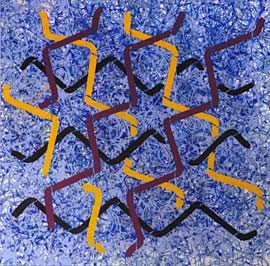
(Konstverk av Ann Makander med icke-linjära mönster koperad från: http://www.omkonst.com/Bilder06/makander.jpg)
(Bokomslag 'Svitjods undergång och Sveriges födelse' kopierad från: http://image.bokus.com/images2/9789100107895_large_svitjods-undergang-och-sveriges-fodelse)